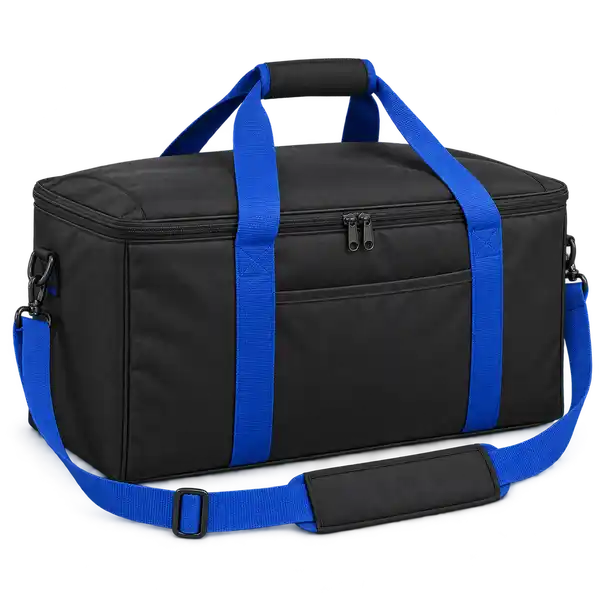
Explore 900 designs: the existing 875 fabric-and-colour designs plus 25 new construction models. Define the usable size, fabric, strap colour and branding for your bulk order.
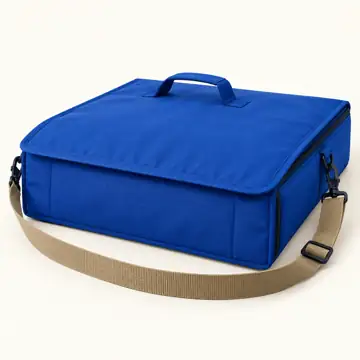
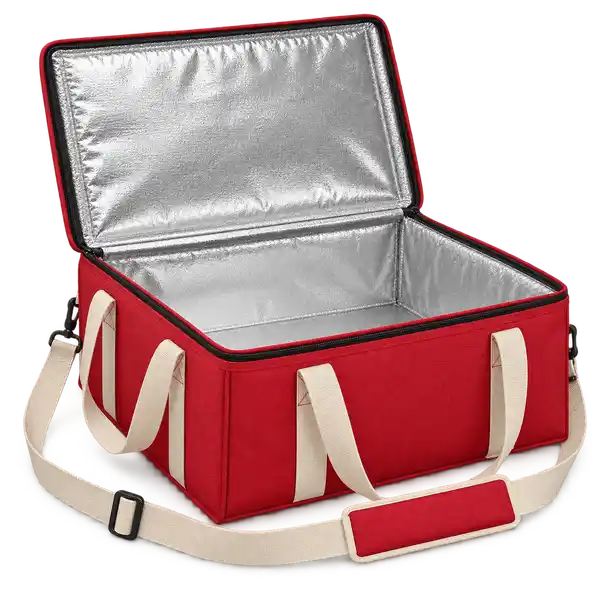
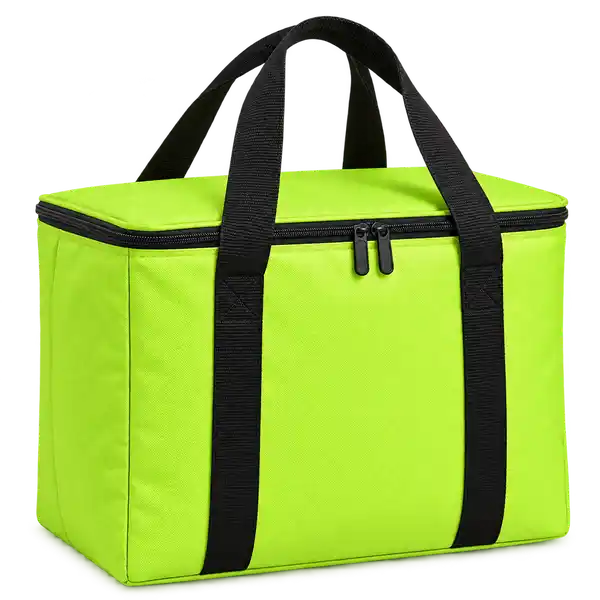
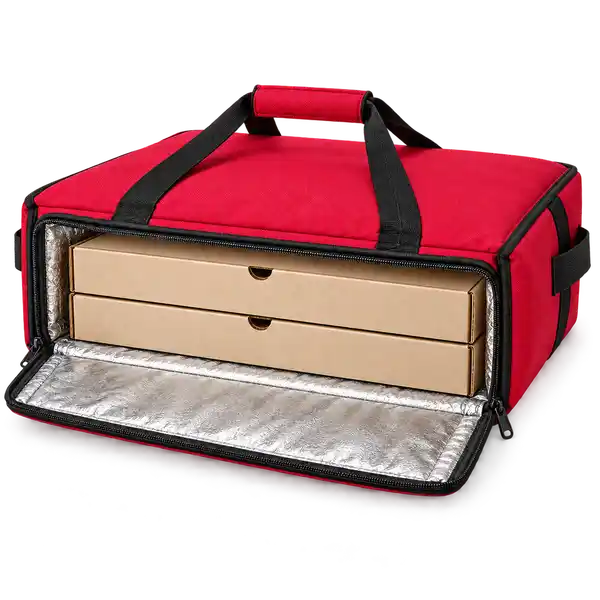
The flat footprint is designed around closed pizza-box dimensions. Cream straps distinguish the red shell, while the open illustration shows an empty compartment for planning the usable space.
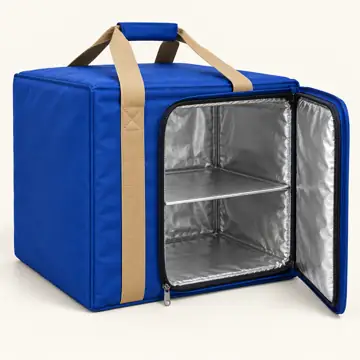
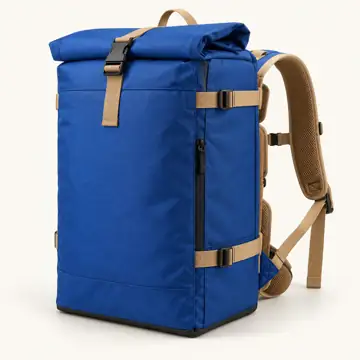
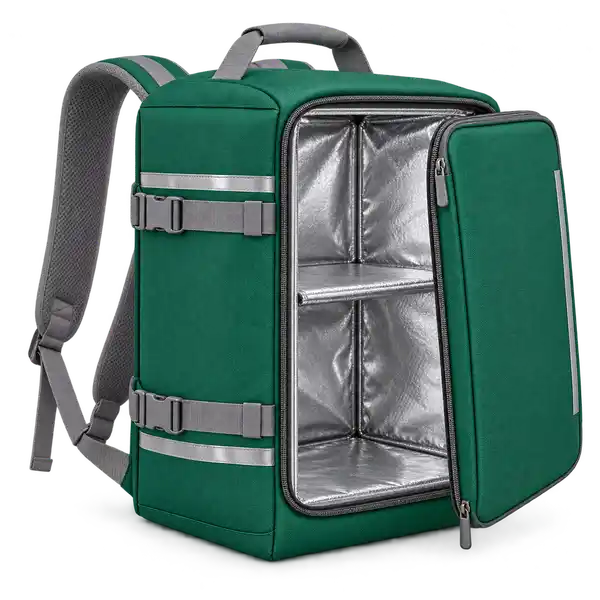
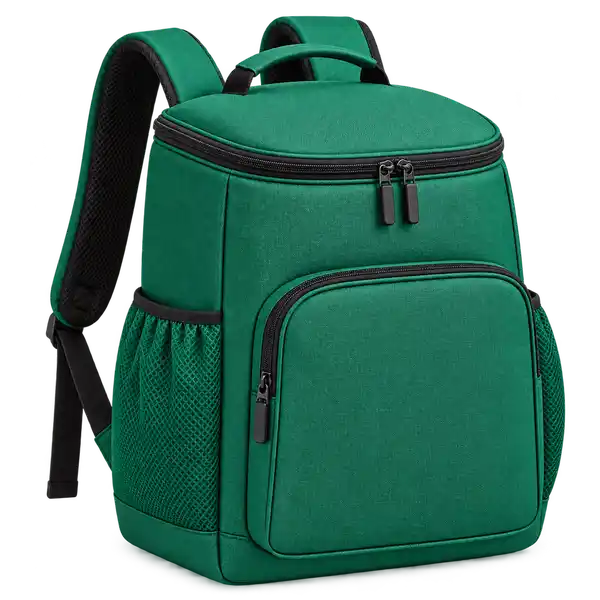
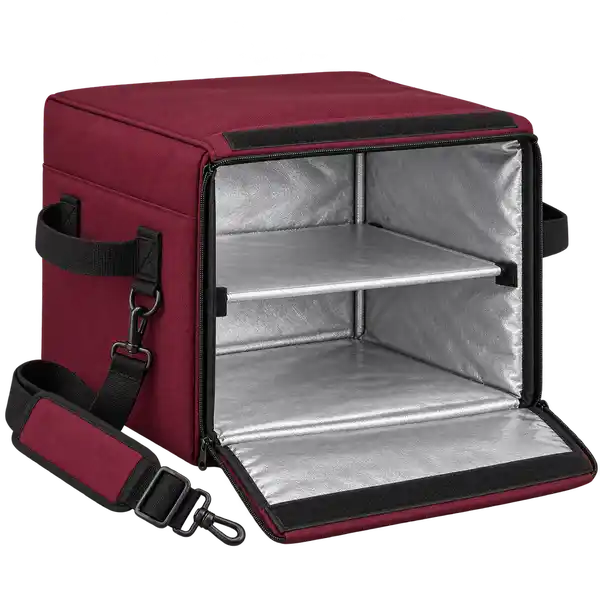
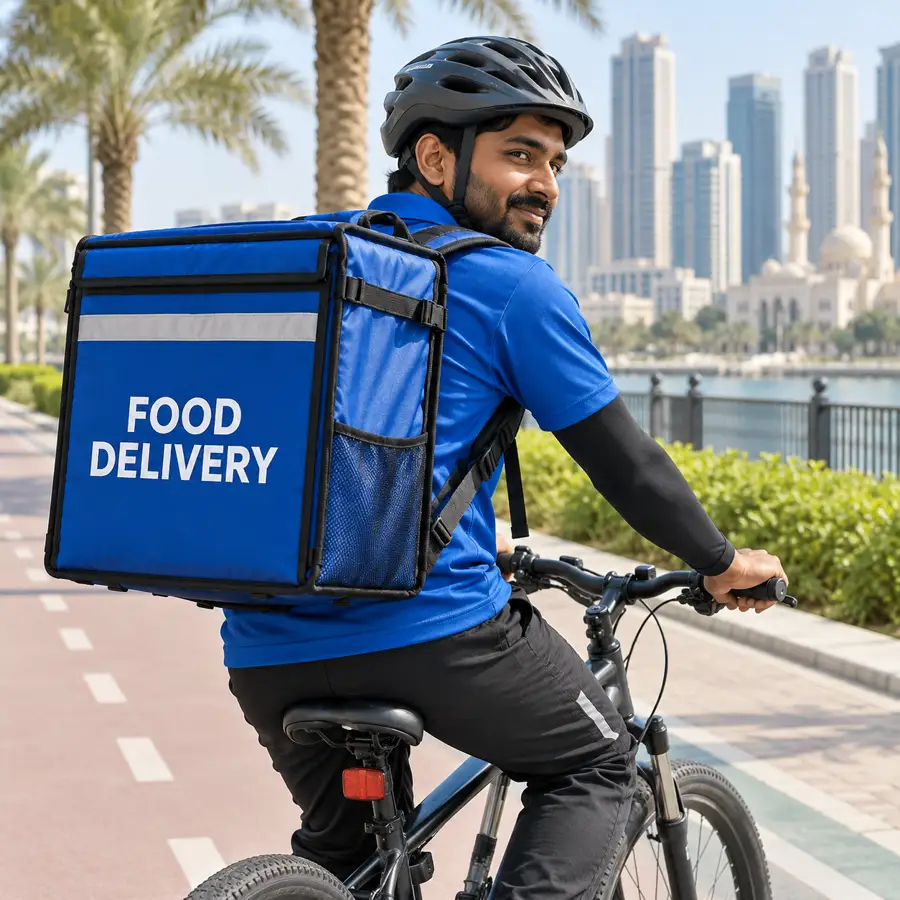
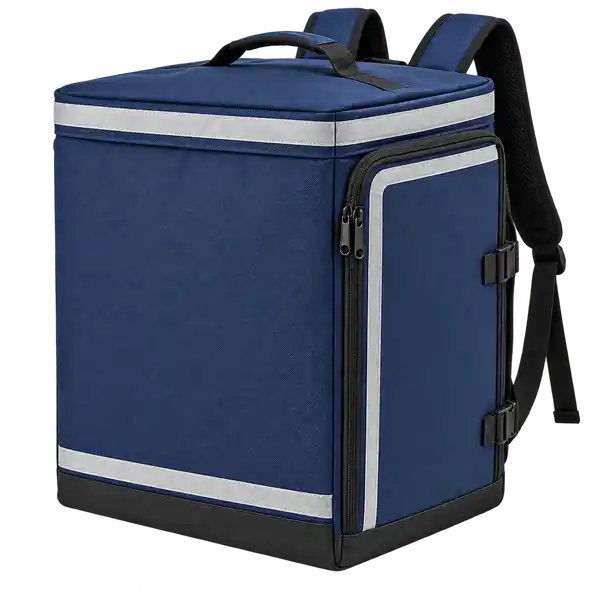
A front access door and divided interior create a defined loading arrangement. Grey straps and reflective trim give this emerald green rider bag a different visual character.
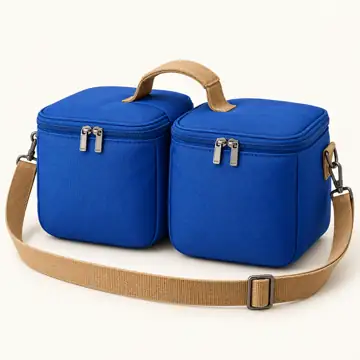
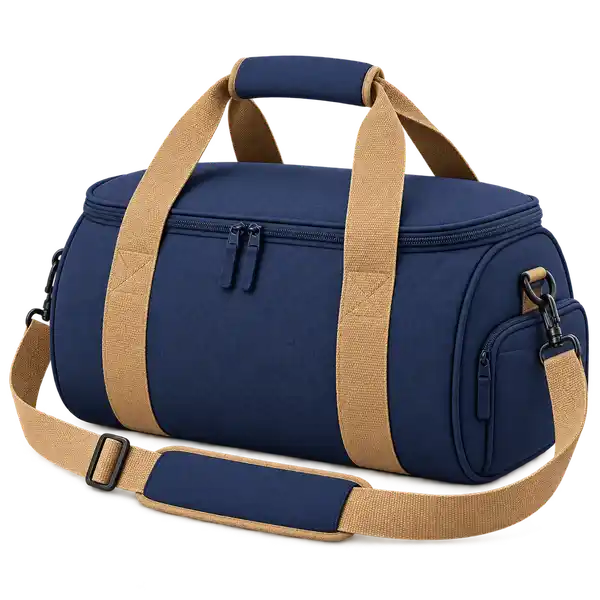
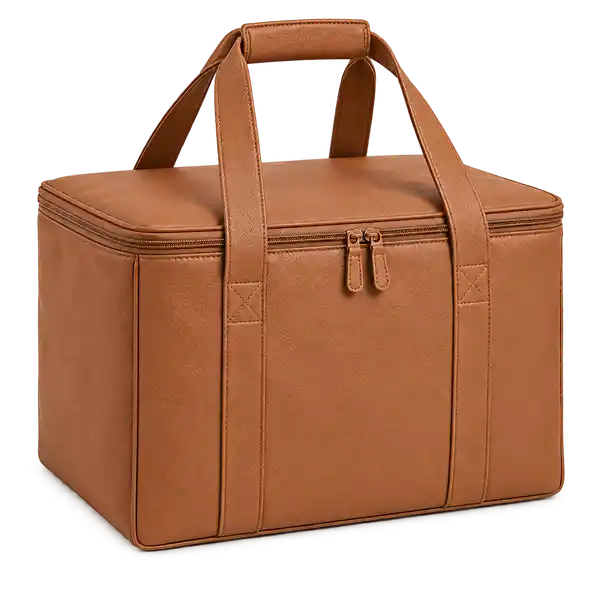
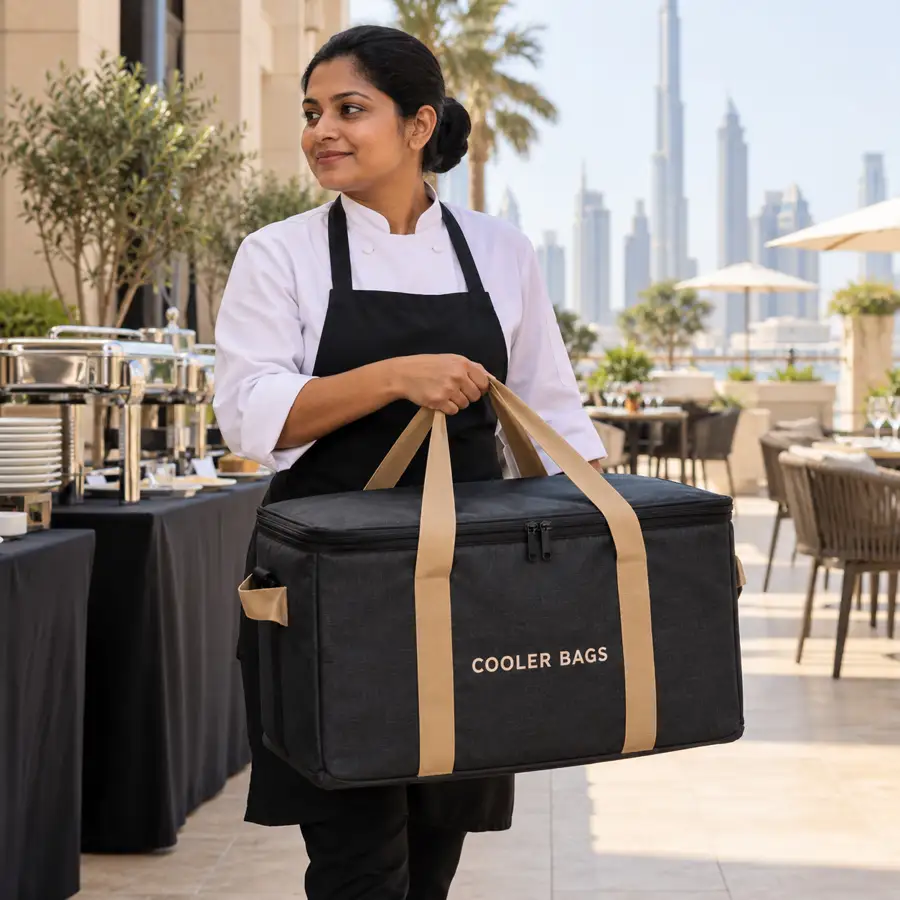
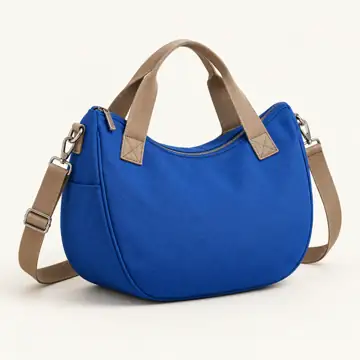
The solid deep navy shell is paired with camel tan carrying straps. Rounded ends and a broad top opening create a compact cooler format for packaged refreshments and hospitality programmes.
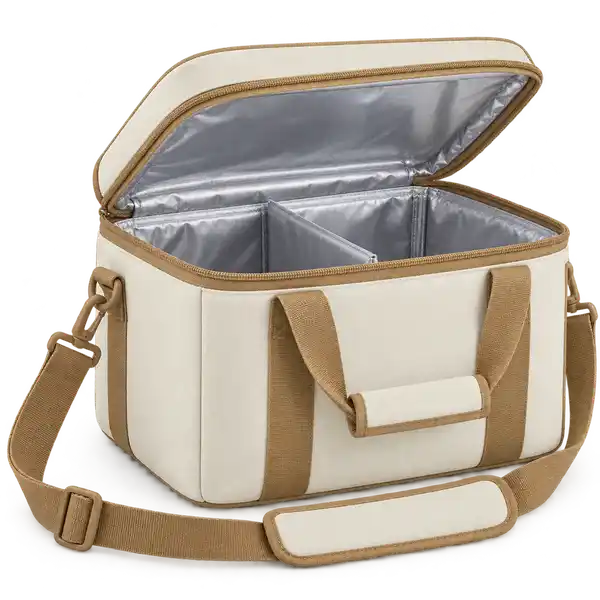
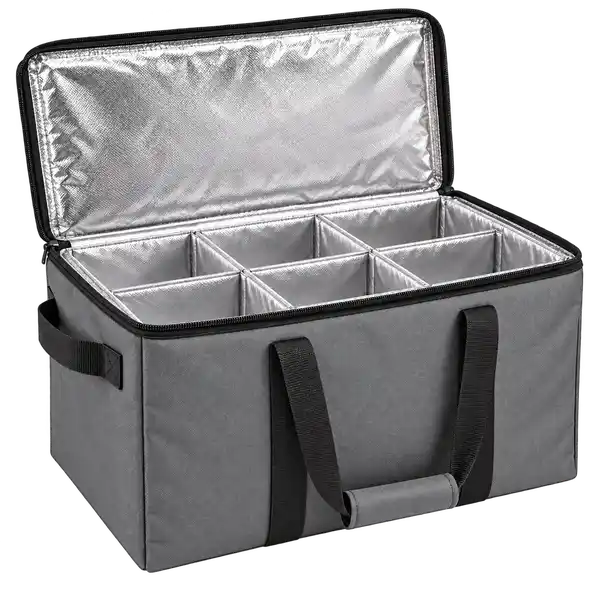
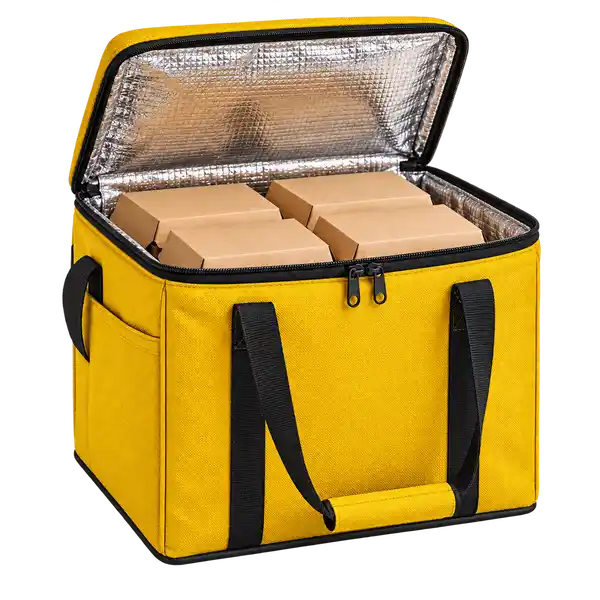
An ivory shell and tan straps form a restrained takeaway presentation. The partly open lid shows an empty lined compartment with a divider concept for organised packaged meals.
Nylon colours will follow when the shade card is supplied. Final fabric and colour are approved against a physical sample.
DESIGNED AROUND THE ORDER
BIG ON THE DETAILS. RIGHT FOR THE ROUTE.
Low-profile pizza carriers. Multi-level meal bags. Rider backpacks with considered access and reflective details. Specify the opening, packed dimensions and carrying arrangement around your actual workflow.
Custom thermal bags for the way your business delivers
A bag is part of your service. Its proportions influence packing, its handles influence carrying, and its colours help customers recognise your business. ThermalBags.ae brings these decisions together in a wholesale catalogue of cooler bags, food delivery bags, rider bags, pizza delivery bags and burger delivery bags.
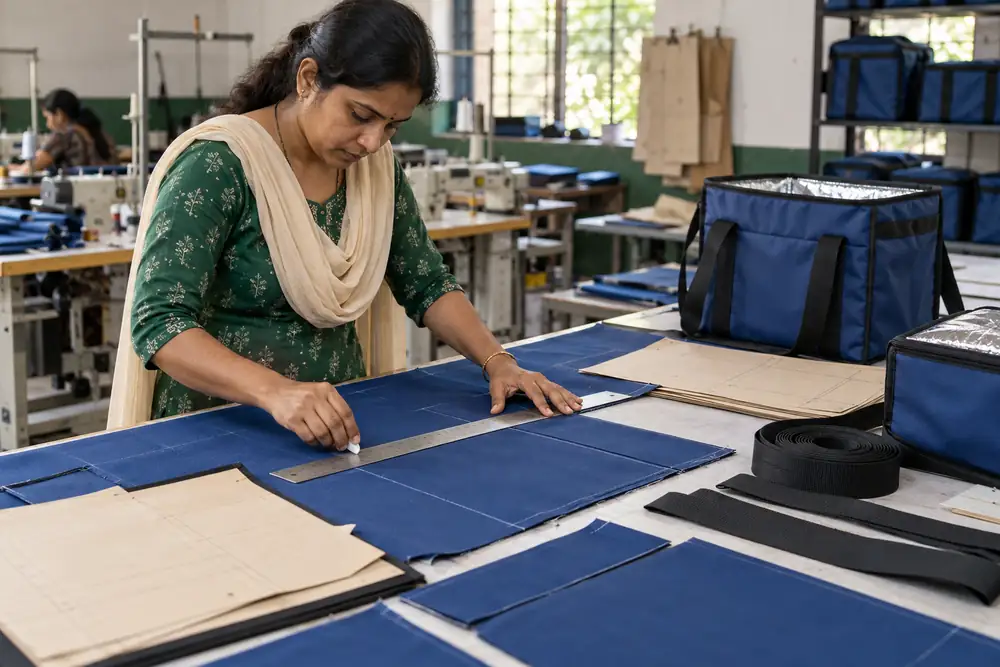
Part of Orient Uniforms FZE, we welcome B2B enquiries from restaurants, catering companies, delivery operators, hospitality teams, distributors and corporate purchasing departments. Our wholesale factory and custom manufacturing service starts with the bag your operation actually needs: the right footprint, an appropriate carrying method and a clearly agreed specification. Send your quantities and requirements to our Sharjah office for a project quotation.
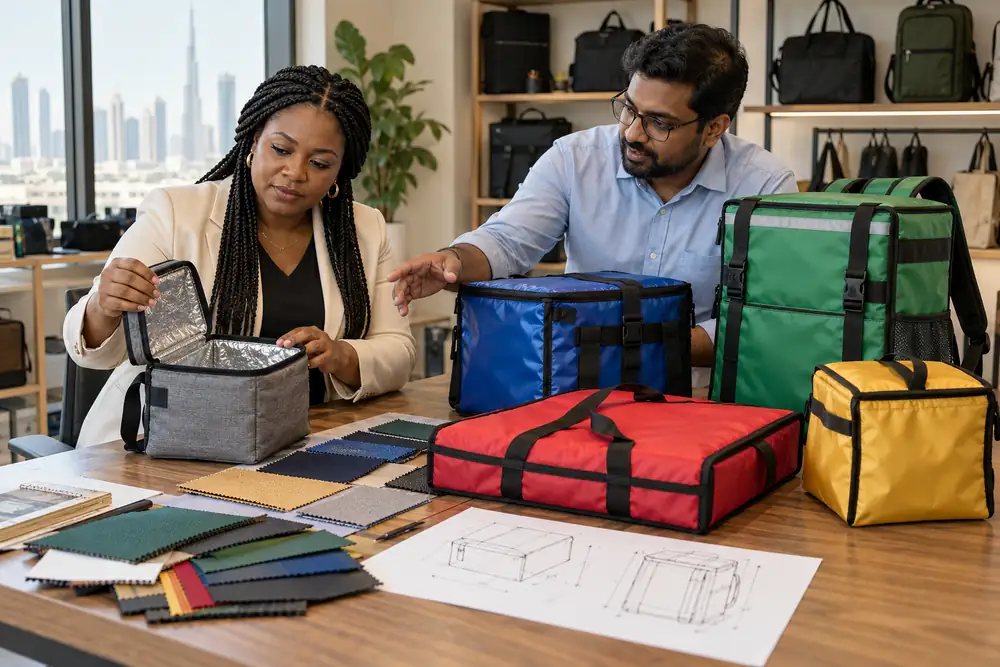
This guide explains how to select a format, compare fabrics, plan branding and prepare a bulk order. Use the catalogue as a design starting point, then discuss the details that make your chosen bag suitable for your team. Customisation, material availability, sampling, commercial terms and delivery arrangements are confirmed for each enquiry.
01 / START WITH THE CONTENTS
Five specialist formats. One considered specification.
Start by listing what will travel inside the bag. A square meal container, a wide pizza carton and a row of tall bottles need different internal arrangements. Measure the filled packaging, including lids, sleeves and handles, before choosing a product. The outside dimensions of a bag do not describe its usable interior, because the lining, insulation, seams and supporting panels occupy space.
Choose a bag around your packing and carrying needs
Bag category
Primary planning question
Details to discuss
Thermal cooler bags
What bottles, containers or packed items must fit?
Internal layout, top access, shoulder carry and base support
Food delivery bags
How are several meal containers loaded and separated?
Opening width, compartments, handles and order identification
Rider delivery bags
How will the bag be carried and handled on a route?
Harness arrangement, balance, access and agreed attachment requirements
Pizza delivery bags
What is the actual carton footprint and stack height?
Flat support, closure style, clearance and carrying orientation
Burger delivery bags
How can packaged meals remain organised during handover?
Compact footprint, dividers, lid clearance and balanced handles
A useful brief also records who packs the bag, who carries it and who receives it. These people may need different things. The packing team values access, the carrier values manageable handling, and the receiving team values clear identification. A sample review should include all three perspectives before a larger order is approved.
02 / COOLER BAGS
Wholesale cooler bags with a clear purpose
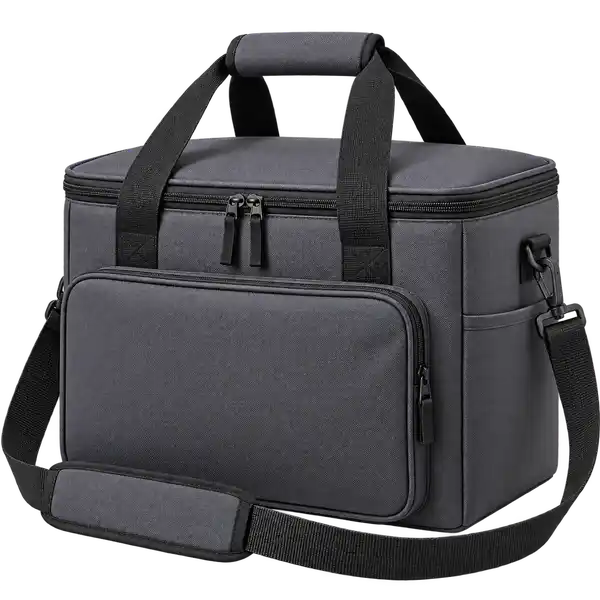
Thermal cooler bags provide an insulated carrying format for packaged refreshments, meal programmes, hospitality supplies and branded outdoor collections. A compact rectangular bag can suit a small prepared pack, while a wider tote or shoulder format provides a different packing arrangement. Choose the shape by the contents rather than by a photograph alone.
For a beverage project, send the bottle or can dimensions and the intended arrangement. For a corporate programme, explain whether the bag will be distributed empty or supplied as part of a packed set. This affects the opening, presentation, printed area and packing instructions. Removable dividers or a supported base can be discussed when the contents need defined positions.
The outside fabric establishes the look, but the complete construction determines how the bag behaves. A canvas appearance, a smoother textile finish and a faux leather surface create different visual directions. Handles, webbing, zipper pulls and side panels can strengthen the identity without making the design unnecessarily complicated.
Thermal insulation slows heat transfer; it does not create refrigeration. Any required temperature-retention result must be assessed for the specified bag, contents and conditions. Tell us your intended use and any evidence your procurement process requires so the sample and quotation can be prepared around that requirement.
03 / FOOD DELIVERY BAGS
Plan food delivery bags around the packing counter
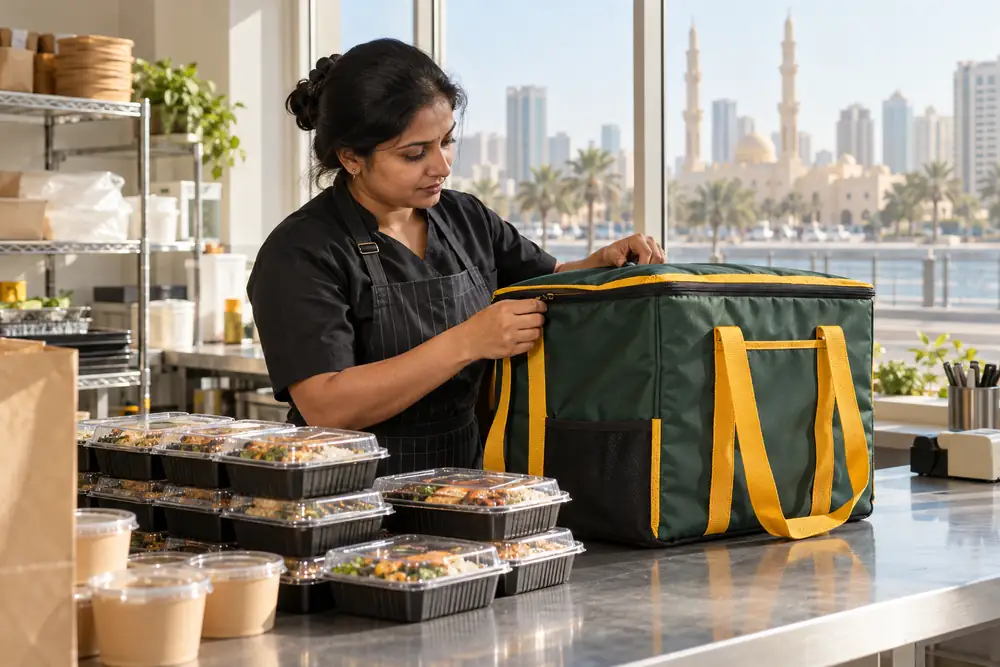
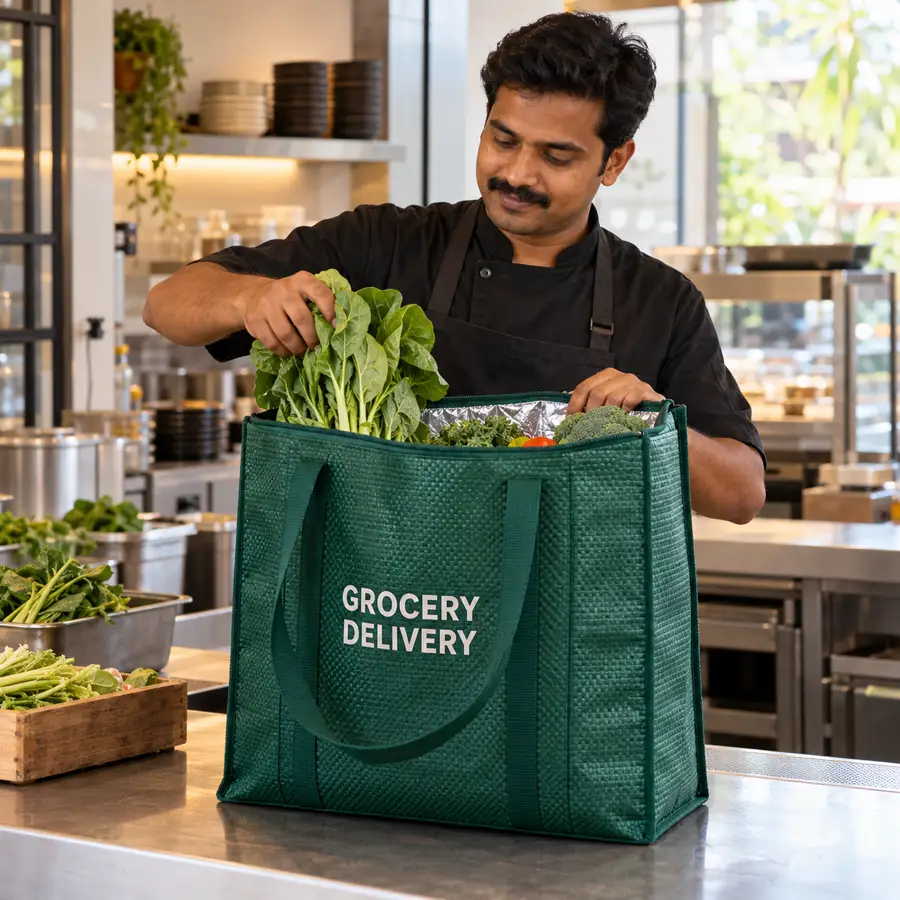
A food delivery bag should support the way your kitchen assembles orders. Begin with the most common combination of packaged items, then consider the largest order the bag is expected to carry. A design that fits one container neatly may become awkward when drinks, side dishes or a second meal are added.
Top-opening bags offer a direct view into the packing space. Front-opening formats create another way to access a supported interior. A taller bag may accommodate stacked packaging, while a lower, wider design may better suit trays. These are design choices to review against real packaging rather than universal rules about which format is best.
Order identification can be incorporated into the exterior. Discuss a clear document pocket, a numbered panel or a contrasting label area if your dispatch team needs to distinguish multiple bags. Pocket placement should preserve the main opening and avoid obstructing the handles or branding.
For restaurant groups, consider whether a common bag specification can serve several menus. Standardising selected components can simplify repeat orders, while separate colours or labels can identify locations or service types. Ask for the differences between proposed variants to be documented, so purchasing and operations teams know exactly what they are approving.
04 / RIDER DELIVERY BAGS
Make carrying and access part of the rider brief
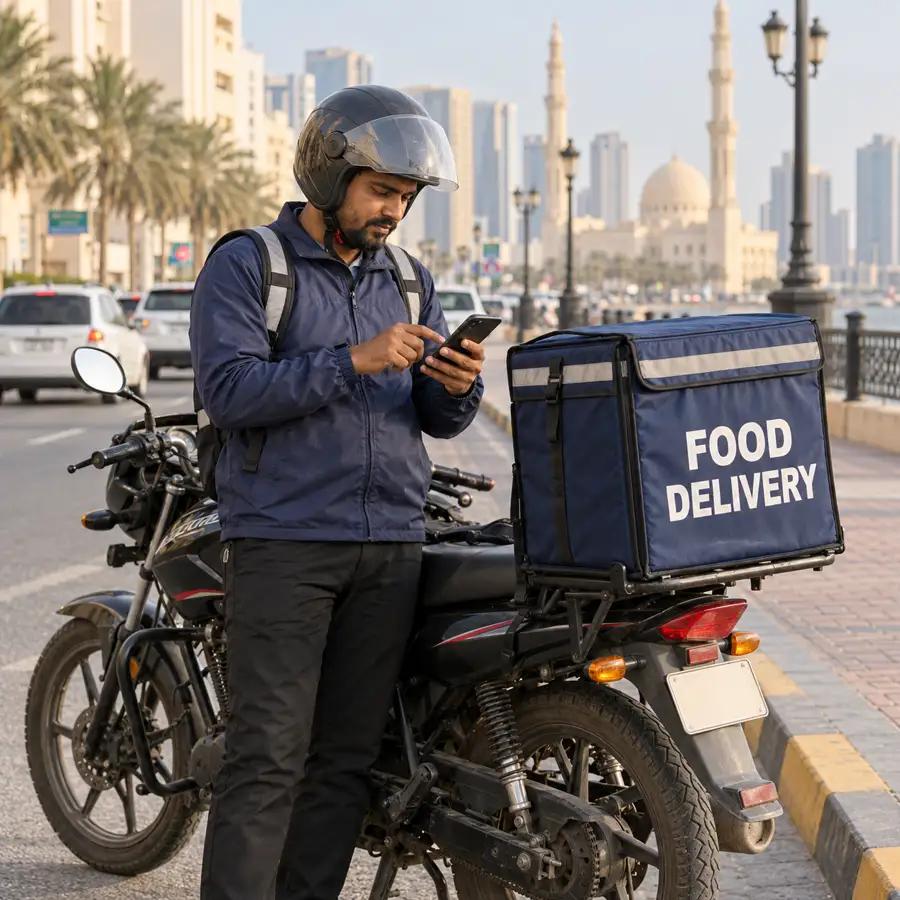
Rider delivery bags need a more detailed handling discussion than a simple carry bag. State whether the design is intended to be worn, carried by hand between stops, or used with a separately specified support arrangement. Do not assume that a photographed bag includes a compatible vehicle mounting system.
Consider the carrier
Discuss shoulder strap width, adjustment, padding, back-panel construction and the position of the top handle. Review the intended packed weight and the way the load is distributed. The sample should be assessed with representative contents, because an empty bag cannot demonstrate the experience of carrying a filled one.
Consider the handover
Decide where the main opening should face during loading and collection. A clear opening path, purposeful internal divisions and accessible closures can make the handling sequence more consistent. Optional reflective details can be requested as a design feature; a particular visibility rating or protective certification requires separate confirmation.
Brand identity should remain legible across the larger panels. Contrast webbing, colour-blocked pockets and a defined logo position can create a recognisable fleet appearance. Keep operational information separate from decorative artwork, and check that straps do not cover the most important text when the bag is worn or carried.
05 / PIZZA DELIVERY BAGS
Give pizza packaging the footprint it needs
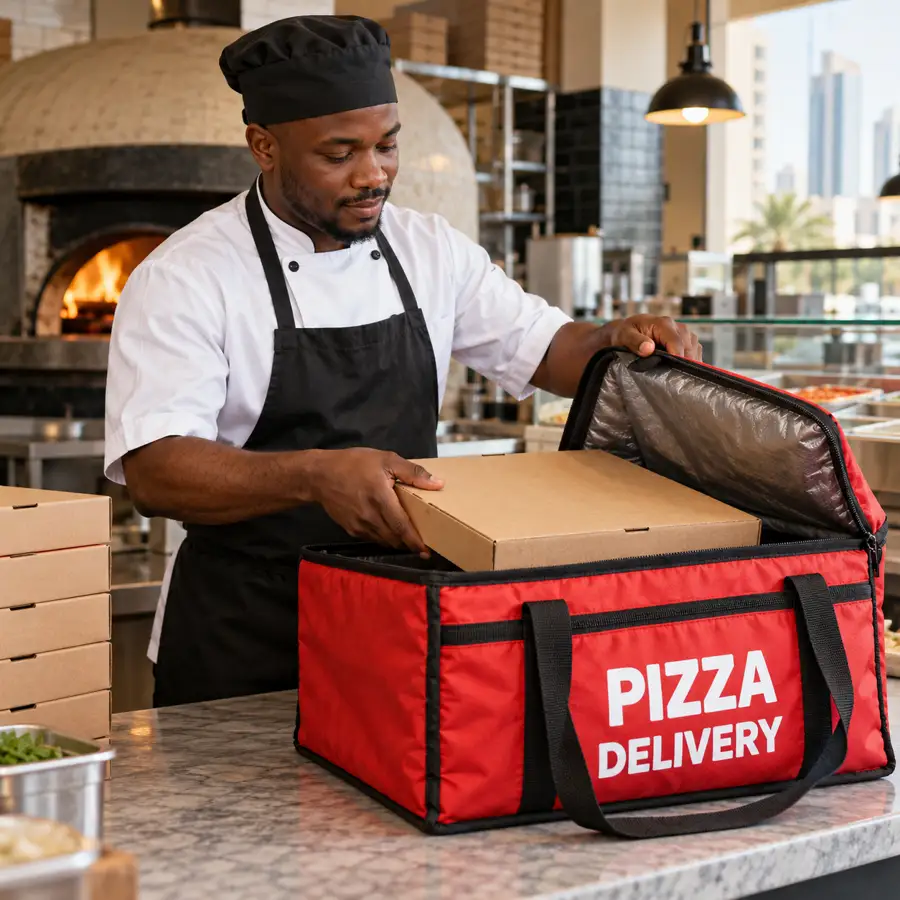
Pizza delivery bags begin with carton dimensions. Measure the outside of the actual box, including folded edges, and record the intended number of boxes per bag. A nominal pizza diameter is not enough to determine the required internal space. Include practical loading clearance in the sample discussion rather than choosing a tightly fitted cavity from a visual estimate.
Choose the profile
A shallow horizontal carrier presents a different solution from a taller divided format. Wide front flaps, wraparound openings and short side handles can be explored according to your loading sequence. The aim is to select a structure that suits the packaging and the way the delivery team handles it.
Check the support
Discuss the base, any internal shelves and the carrying orientation before deciding on the final shape. A shelf changes usable height, and a removable insert requires its own dimensions and finish. Include these components in the approved specification rather than treating them as an assumed extra.
Our design selection varies the body proportions, handle placement, strap colours and closures. Interiors may be shown empty to make the construction easier to understand. Cartons or accessories shown in a visual are illustrative unless expressly included in the quotation. Send your packaging measurements for a bag designed around your actual order format.
06 / BURGER DELIVERY BAGS
Organise compact meals without unnecessary space
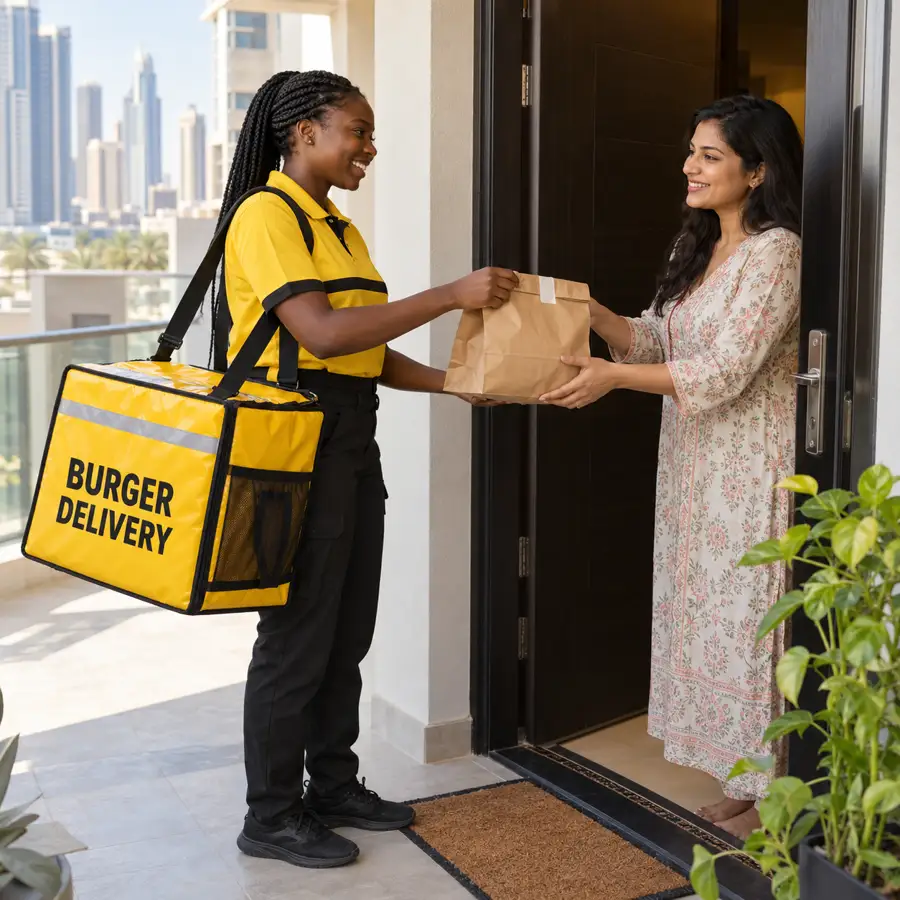
Burger delivery bags are planned around packaged meals and their accompanying items. Share the dimensions of burger boxes, meal cartons and side containers as a group. The arrangement should be reviewed with lids closed and with any external sleeves or seals in place.
A compact cube can offer a straightforward loading space. A wider carrier can create room for a different container arrangement. A divided interior may help define positions, but the divider itself takes up space and should be checked against the packaging. Avoid assuming that a larger external bag always produces a better packing result.
Handle placement matters when the contents should remain in a particular orientation. Discuss short lifting handles, an optional shoulder strap and a supported base as part of one design. The balance of the filled sample should be reviewed by the team that will use it.
For a branded restaurant programme, a contrasting lid, coloured webbing or a clear front logo panel can create a distinctive appearance. Keep instructions and order identification easy to see. Where meals include items with different handling requirements, define the operational arrangement separately instead of relying on one insulated compartment to serve every purpose.
07 / FABRIC AND COLOUR
Six supplied fabric collections. A considered colour choice.
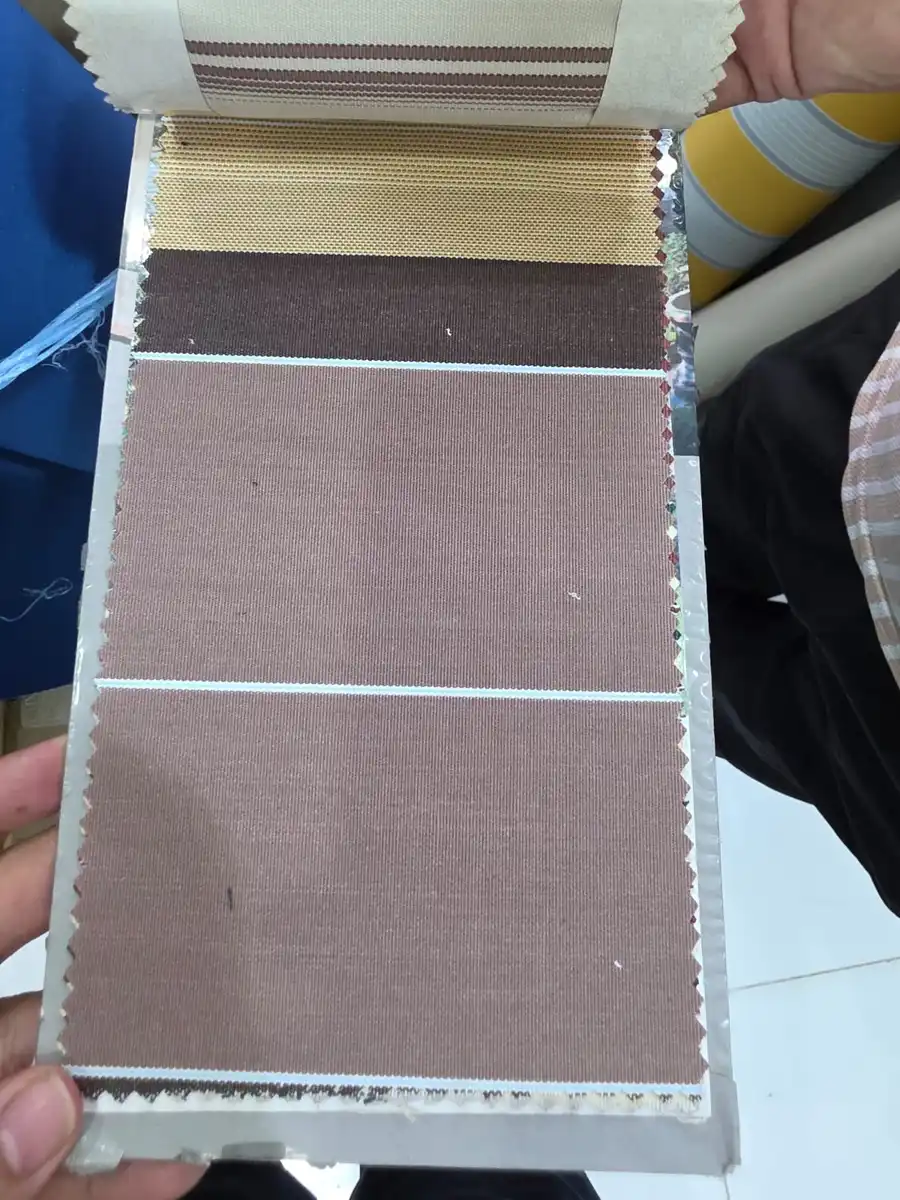
The current shade library contains 175 retained colour and pattern references across six supplied fabric collections. This includes striped patterns and close shades preserved for comparison; it is not a claim that every reference is a distinct solid mill colour. Each reference is a starting point for discussion and physical sample approval.
Current fabric shade-reference library
Fabric collection
References
What to review
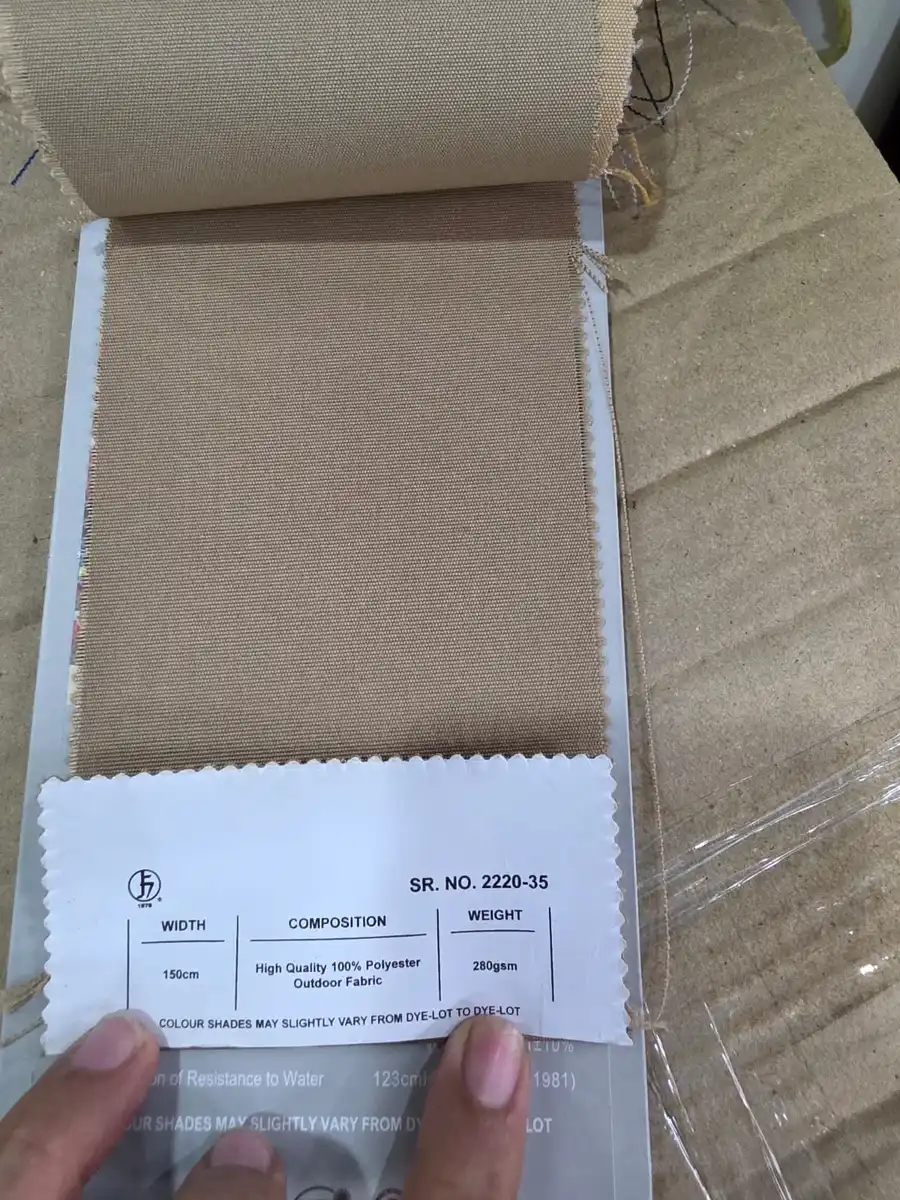
100% Polyester
35
Surface appearance, shade, backing and suitability for the selected shape
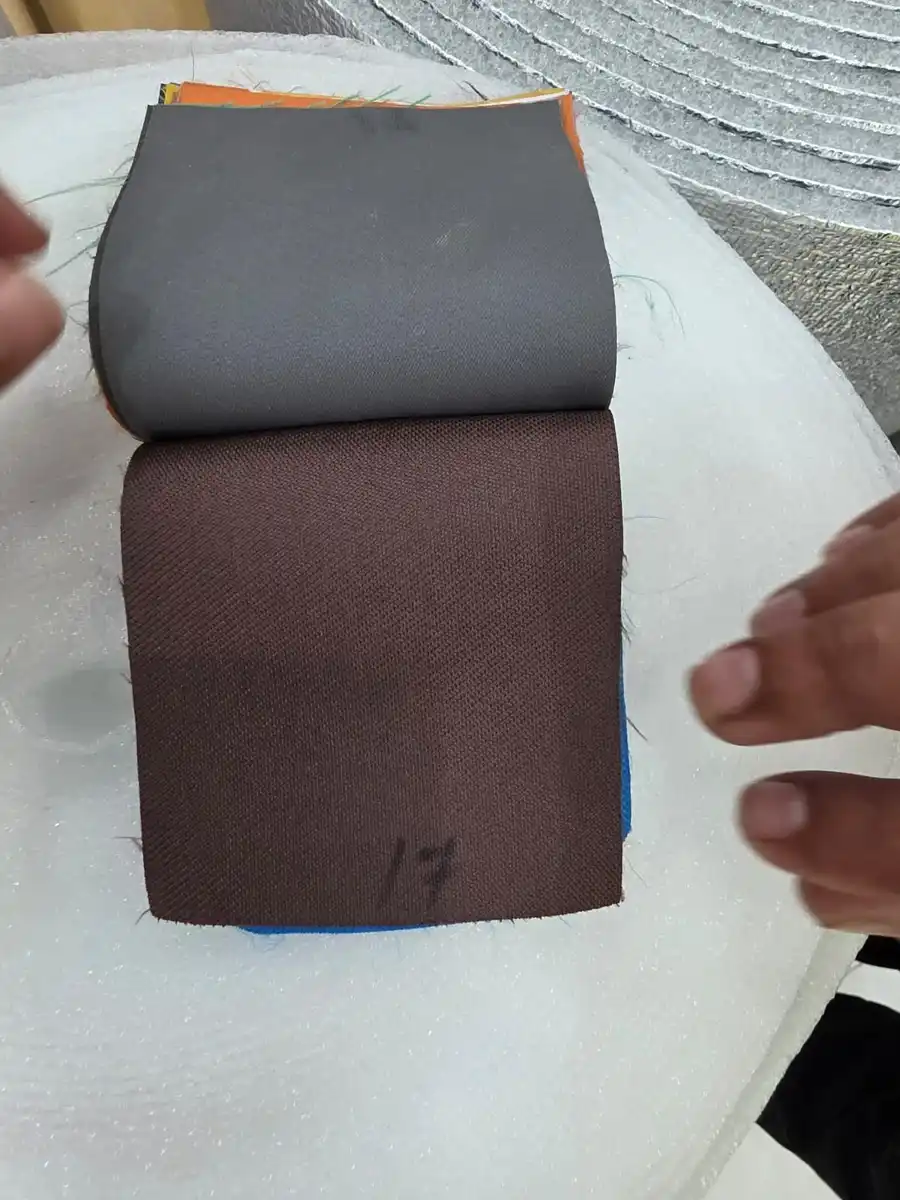
D600 / 600D Oxford
18
Visible weave, panel structure, coating specification and trim combination
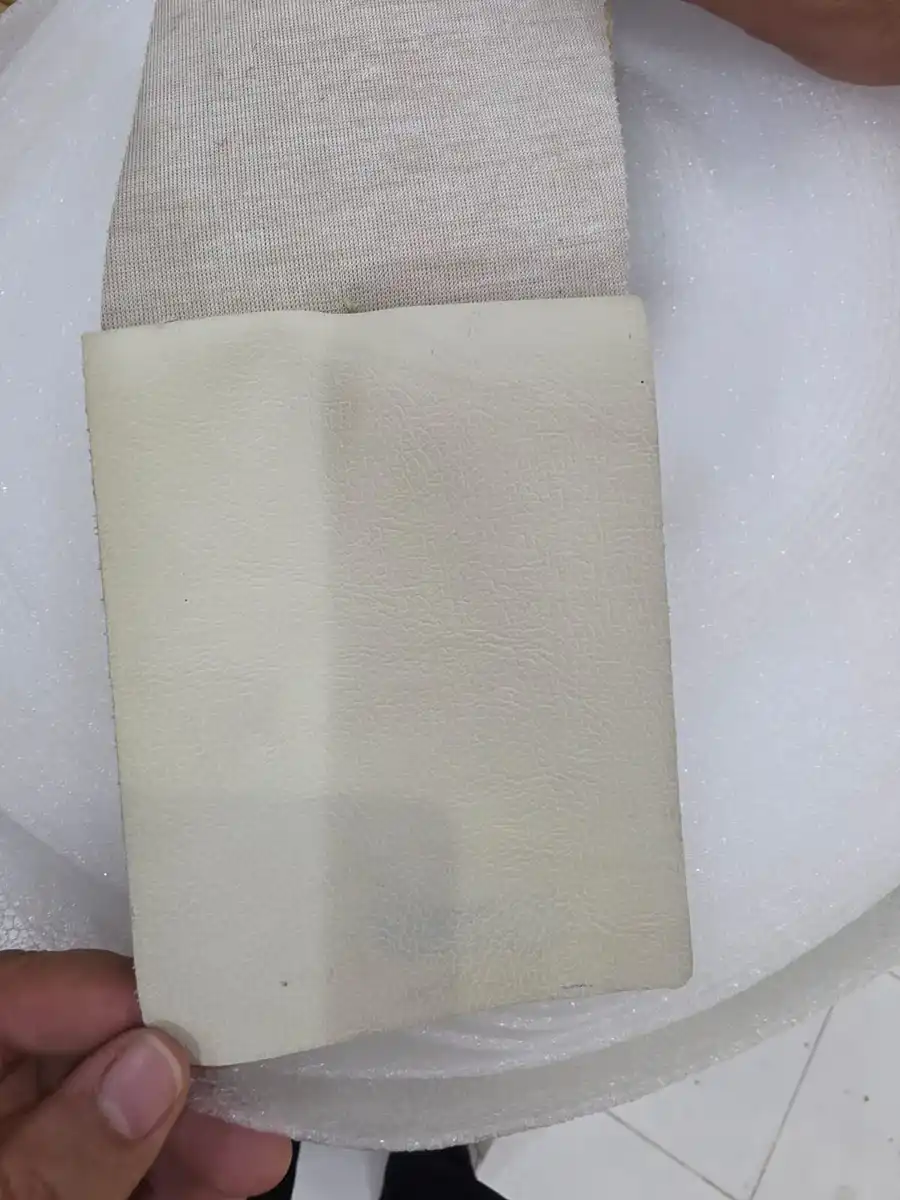
Faux Leather
25
Surface grain, flexibility, edge finishing and the intended cleaning method
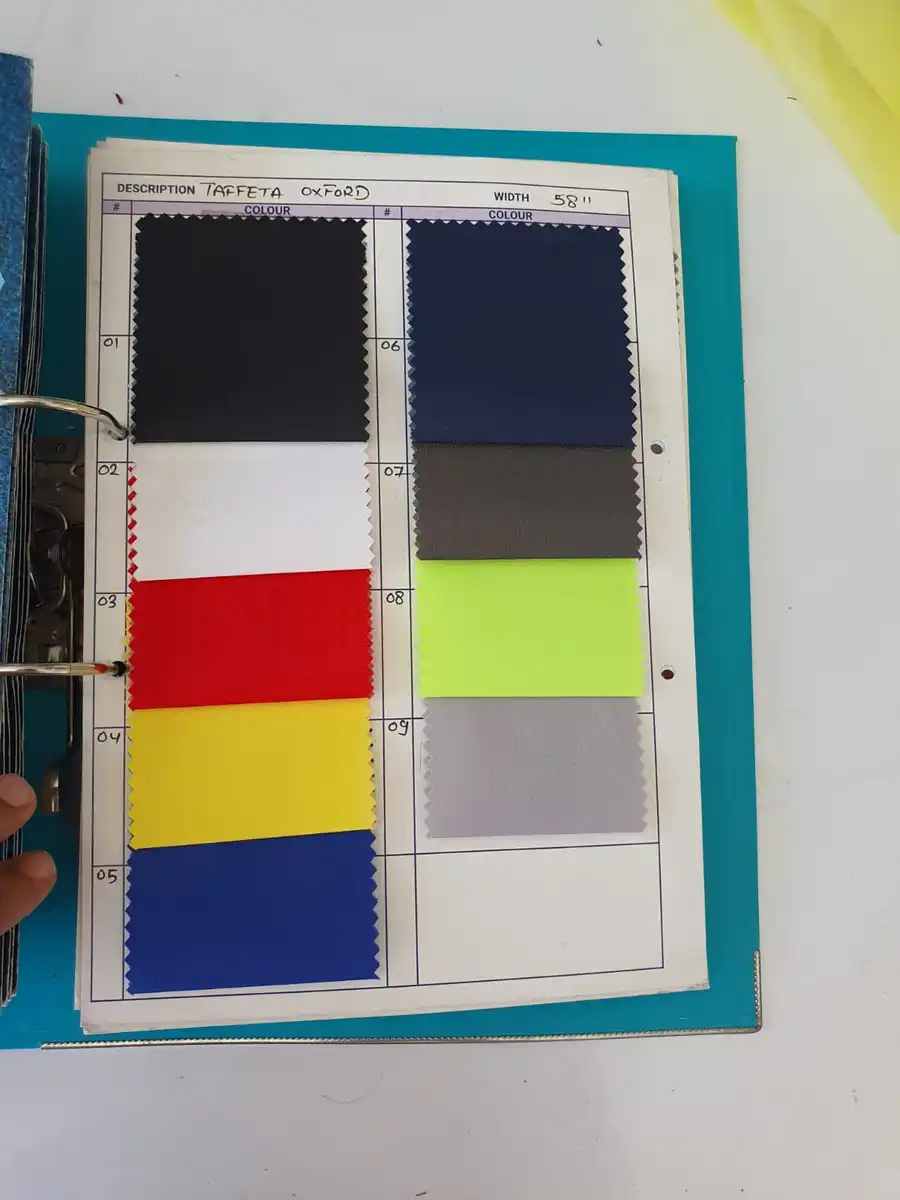
Oxford Taffeta
9
Shade, surface finish and support needed for the chosen silhouette
Polyspun Canvas
42
Woven appearance, pattern direction, branding and handle colour
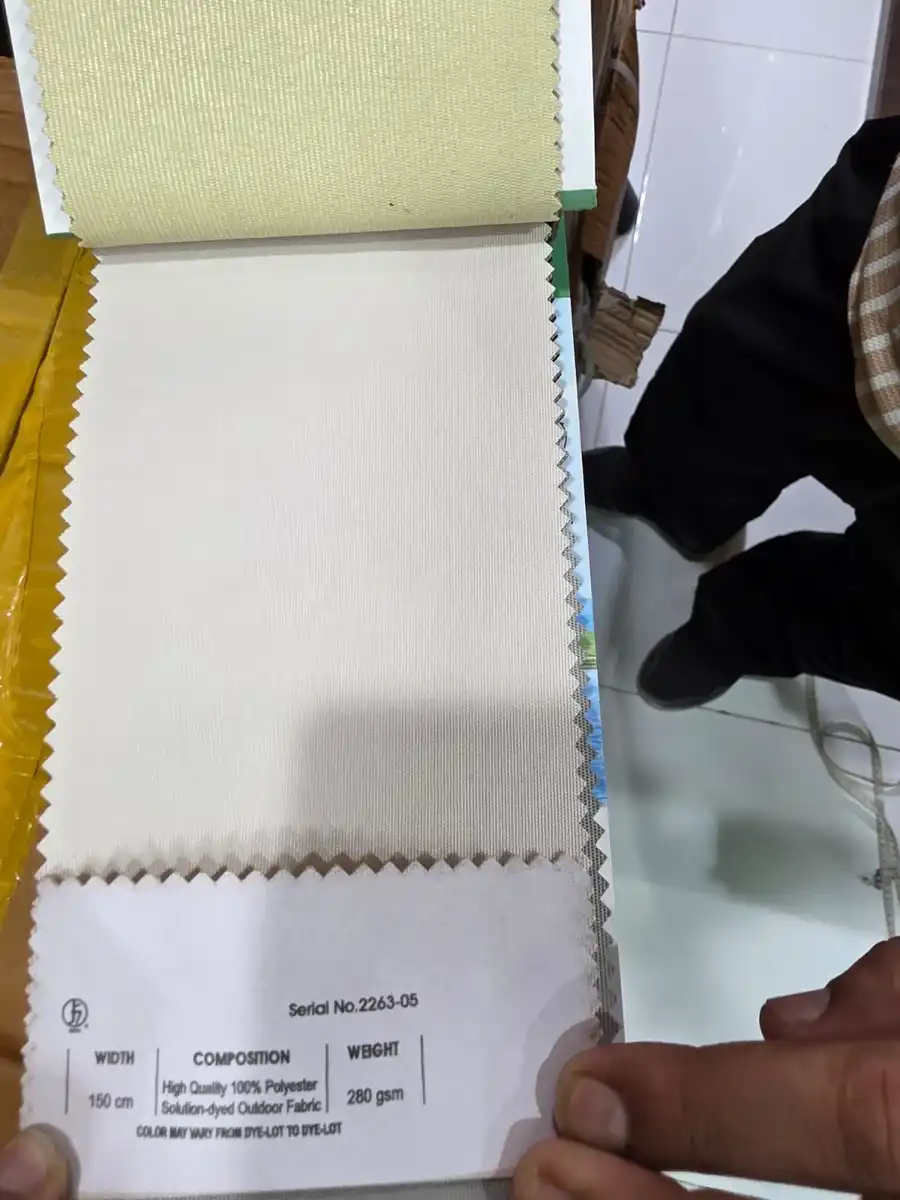
Solution-Dyed Polyester
46
Shade reference, selected construction and project-specific performance evidence
Fabric names alone do not establish thickness, water resistance, abrasion performance or suitability for a particular cleaning process. These properties depend on the supplied material and finish. Request the relevant specification where your purchasing team needs a measurable requirement. Nylon is planned as an additional collection after its shade references are supplied.
Choose a body colour that suits your brand and practical use. Review pale, dark and patterned options under consistent lighting. Screen images and photographs can vary with display settings and illumination, so final colour approval should use an agreed physical reference. Keep the reference code with the order documents for future repeat enquiries.
100% Polyester
Use this collection to compare a range of colour directions for your chosen bag. Consider the fabric together with the panel layout and the proposed support. Ask to see how the selected shade works beside the webbing and logo colours, particularly where a large printed area forms the main visual feature.
D600 / 600D Oxford
Review the visible weave at realistic scale, then consider how it follows the bag panels. A contrasting handle can emphasise the structure, while matching trims create a more unified appearance. Record the exact material reference rather than treating every fabric described as 600D Oxford as an identical specification.
Faux Leather
This collection offers a different surface character for a branded bag concept. Examine the grain, flexibility and the way seams and binding will be finished. Discuss decoration on a material sample and confirm the intended care method. The chosen finish should be considered alongside the practical requirements of the bag.
Oxford Taffeta
Compare the nine supplied colour references with your preferred body shape. Review whether the design needs additional panel support and how the surface appears around corners and openings. For strong brand contrast, consider a separate strap colour and keep the logo placement clear of major folds or closure lines.
Polyspun Canvas
Pay attention to the character of the weave and any pattern direction. For striped references, decide how the stripes should run across the front, sides and lid. Pattern placement may influence the appearance of seams, so include this detail in the sample review instead of approving only a colour name.
Solution-Dyed Polyester
Select the reference that suits your visual brief and request the specification needed for your application. The collection name is not a substitute for confirmed performance data. Review the shade beside the proposed trims and discuss any requirements for repeated outdoor use with the complete bag design in view.
08 / STRAPS, TRIMS AND BRANDING
Make the details part of the design
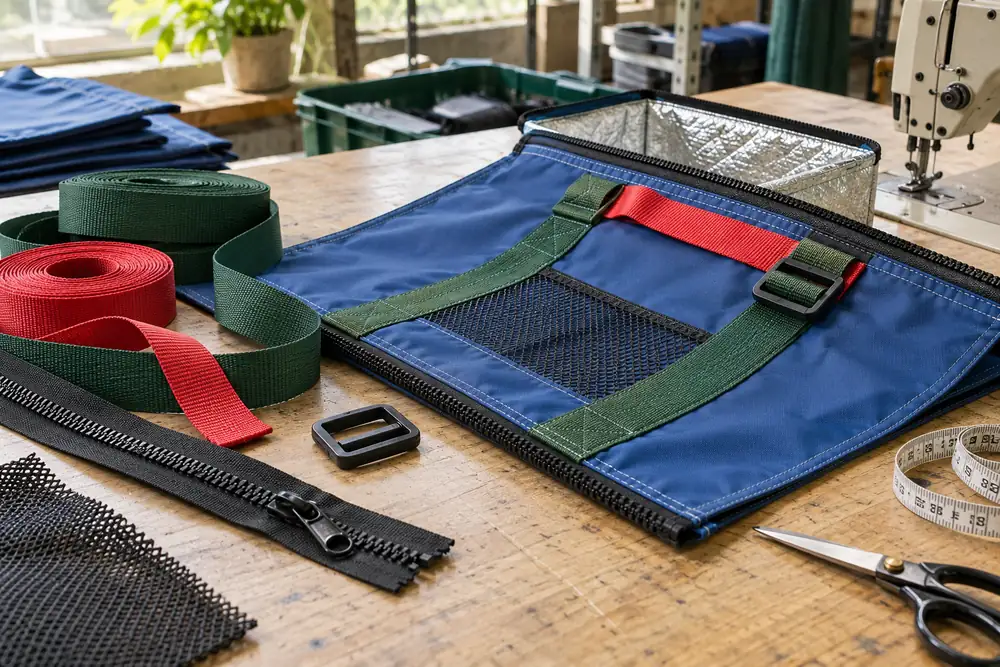
Straps should be chosen with the same care as the main fabric. A matching webbing colour creates a quieter appearance, while a deliberate contrast can frame the bag and make handles easier to distinguish. Navy with sand, red with charcoal or a bright accent on a neutral body are possible visual directions, subject to available trim samples.
Separate the colour decisions
Record the body, lid, side panels, handles, shoulder straps, binding and zipper colour independently. A single instruction such as “blue bag” leaves too much room for interpretation. Where a particular trim cannot be matched exactly, review the proposed alternative before production approval.
Specify whether the strap is fixed or detachable and whether a shoulder pad is requested. State the adjustment range needed for the intended use. Hardware and attachment positions should be assessed with the complete sample, not chosen solely because they look suitable in a drawing.
Give artwork enough space
Printing and embroidery have different preparation requirements. Share the logo file, intended dimensions, colours and preferred panel. The final method depends on the chosen material, design and production review. Small text and detailed marks may need adjustment to remain clear at the selected size.
Request an artwork placement proof that shows seams, pockets and strap crossings. A logo should remain visible when the bag is assembled and closed. Keep a record of the approved artwork revision so a later reorder does not accidentally return to an older brand version.
09 / CONSTRUCTION
Specify the inside as carefully as the outside
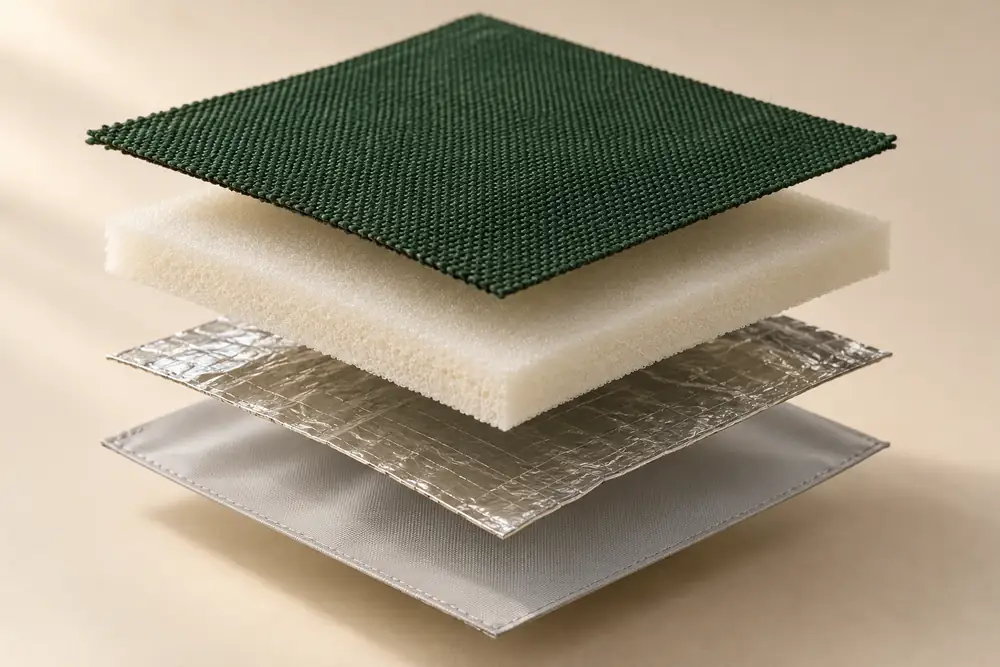
The exterior is only one part of an insulated bag. Discuss the lining, insulation arrangement, closures, base and supporting components together. A change in one layer can affect the usable space, weight, flexibility and overall feel. The quotation should identify the agreed construction rather than rely on a general description such as “premium thermal bag”.
Access and organisation
Decide whether the opening needs to expose the full interior or provide a smaller access point. Discuss removable divisions, separate compartments and any document pockets. Check that the position of an internal panel does not prevent the intended container from passing through the opening.
Care and inspection
Ask for care instructions appropriate to the finished materials. Review access to corners and removable components during sampling. Establish how your team will inspect bags for damaged closures, loose attachments or worn surfaces, and how replacements will be requested when an item is no longer suitable for service.
Claims such as leakproof, waterproof, food-contact compliant or a specific temperature duration require evidence for the actual agreed construction. They should not be inferred from a silver-coloured lining or a coated outer fabric. Where performance is essential, define the test requirement before approving the production specification.
10 / WHOLESALE PROCUREMENT
Turn a catalogue selection into a clear bulk-order brief
A detailed enquiry helps a thermal bags supplier compare like-for-like requirements and prepare a useful quotation. Select a catalogue product or describe your preferred shape, then provide the information below. If several teams are involved, nominate one specification owner to consolidate changes before the sample is approved.
Information to include with your wholesale enquiry
Requirement
What to send
Product selection
Bag category, product name, SKU and catalogue link
Size and contents
Required internal dimensions, packaging measurements and intended arrangement
Materials and colours
Fabric collection, shade reference and separate strap or trim preferences
Branding
Artwork file, placement, dimensions and requested decoration method
Quantity
Total units and the breakdown by colour, size or artwork variant
Schedule and destination
Required date, UAE delivery city and any planned staged releases
Approval requirements
Sample expectations, inspection points and any required supporting documents
Large quantity programmes should also identify whether all units are needed together or in agreed batches. Different colours and artwork versions may affect commercial terms, so provide the full breakdown at the start. Minimum quantities, sample charges, production timing and delivery costs are confirmed in the quotation; they are not assumed from the catalogue.
Before confirming an order, review the approved sample, dimensions, material reference, artwork revision and packaging instructions together. Keep any agreed exclusions visible. This gives purchasing, operations and receiving teams one clear reference when the finished goods arrive.
11 / SAMPLE REVIEW
Approve a working bag, not only a photograph
A visual helps you choose a direction. A physical sample helps you judge the proposed construction. Review the sample using representative packaging and the intended loading sequence. Check the opening, interior clearances, handle positions, strap adjustment and the way the bag sits when filled.
Record feedback precisely. “Increase the usable internal width” is more helpful when accompanied by a measurement and the container that must fit. Mark artwork positions and colour references clearly. Where a change affects another part of the bag, ask for the revised specification to show both changes before approval.
For repeat orders, retain the approved reference and its identification. A new order may involve different material availability or an updated requirement, so compare the proposed specification with the previous version. Clear revision records help a wholesale programme remain consistent as menus, locations and brand artwork develop.
12 / UAE BUSINESS ENQUIRIES
A Sharjah contact for your UAE thermal bag project
Orient Uniforms FZE is based at Office Block C VL01-080, Sharjah Research, Technology and Innovation Park, Sharjah, UAE. We welcome wholesale thermal bag enquiries for Ajman, Sharjah, Dubai and Abu Dhabi, together with Al Ain, Ras Al Khaimah, Fujairah and Umm Al Quwain. Share the actual delivery destination so logistics can be included in your project discussion.
Restaurants, kitchens and catering teams
Explain your dispatch process, packaging sizes and expected order mix. If several branches will use the bags, provide the quantity for each location and identify any variations in branding. A common specification with a clear allocation plan can make procurement easier to coordinate.
Distributors and corporate buyers
Describe your customer programme, presentation requirements and packaging preferences. If bags are intended for a campaign or scheduled rollout, include the required date and approval milestones. Discuss any labelling, carton marking or delivery documentation needed by your receiving team.
The UAE comprises seven emirates; Al Ain is a city within Abu Dhabi rather than a separate emirate. Our location list describes enquiry destinations, not additional offices or factories. Geographic context can be checked through the official UAE government guide to the seven emirates.
13 / BUYER QUESTIONS
Useful answers before you request a quotation
Can we change the bag dimensions?
Request the size you need and explain the intended contents. Custom dimensions require a construction review, because changing the footprint or height can affect panels, closures, carrying positions and material use.
Can straps be a different colour?
Yes, you can request contrasting or coordinating strap colours. Specify the desired body and trim combination separately. Available webbing, hardware and physical colour references are reviewed during the quotation and sample stages.
Are the catalogue images exact production samples?
The images illustrate design and colour directions, including generated product concepts. Final materials, dimensions, details and colour matching are agreed through the quotation and sample process.
Can one order include different bag types?
Send the full requirement with quantities for each category, fabric and shade. Cooler bags, food delivery bags, rider bags, pizza bags and burger bags can be discussed within the same procurement enquiry.
Does insulation guarantee a delivery temperature?
No single visual or fabric choice establishes that result. Performance depends on the complete construction, contents, starting conditions, duration and handling. State any measurable requirement before sampling.
How do we place a wholesale order?
Use the product enquiry controls or contact our team with your specification. We discuss the requirements, prepare commercial details and agree the approval steps before production is confirmed.
YOUR NEXT BAG STARTS HERE
Bring us your brief. We’ll work through the details.
 SKU-TB-0894